The Difference Between Candid and Posed Wedding Photography
-
One of the most common questions I get from couples planning their wedding in Malta is this: do you do posed or candid photography? It's a great question, and the honest answer is both — and knowing the difference between them, and when each approach serves you best, will help you get the most out of your wedding day photographs.
What Candid Photography Actually Means
Candid photography captures moments as they naturally unfold — unscripted, unplanned, and often entirely unexpected. The defining characteristic of a truly candid photograph is that the subject has completely forgotten the camera exists. They're not performing, not aware of being watched, not adjusting how they hold themselves or what their face is doing. They're simply living the moment, and the photographer is there to preserve it. The best candid images tend to be the ones couples treasure most in the long run. Not because they're technically the most impressive photographs in the gallery, but because they're the most true. The spontaneous laugh during the speeches. The quiet moment between a father and daughter before the ceremony begins. The group of friends on the dance floor at midnight, completely lost in the music. These images carry emotional weight precisely because nothing in them was manufactured. Shooting in a genuine candid style requires a particular kind of presence — unobtrusive, patient, and constantly observant. As a Malta wedding photographer, I spend much of the day working this way: moving quietly through the room, watching the edges rather than the centre, anticipating the moment a beat before it happens. The goal is to be so unremarkable a presence that people stop registering me entirely.
What Posed Photography Actually Means
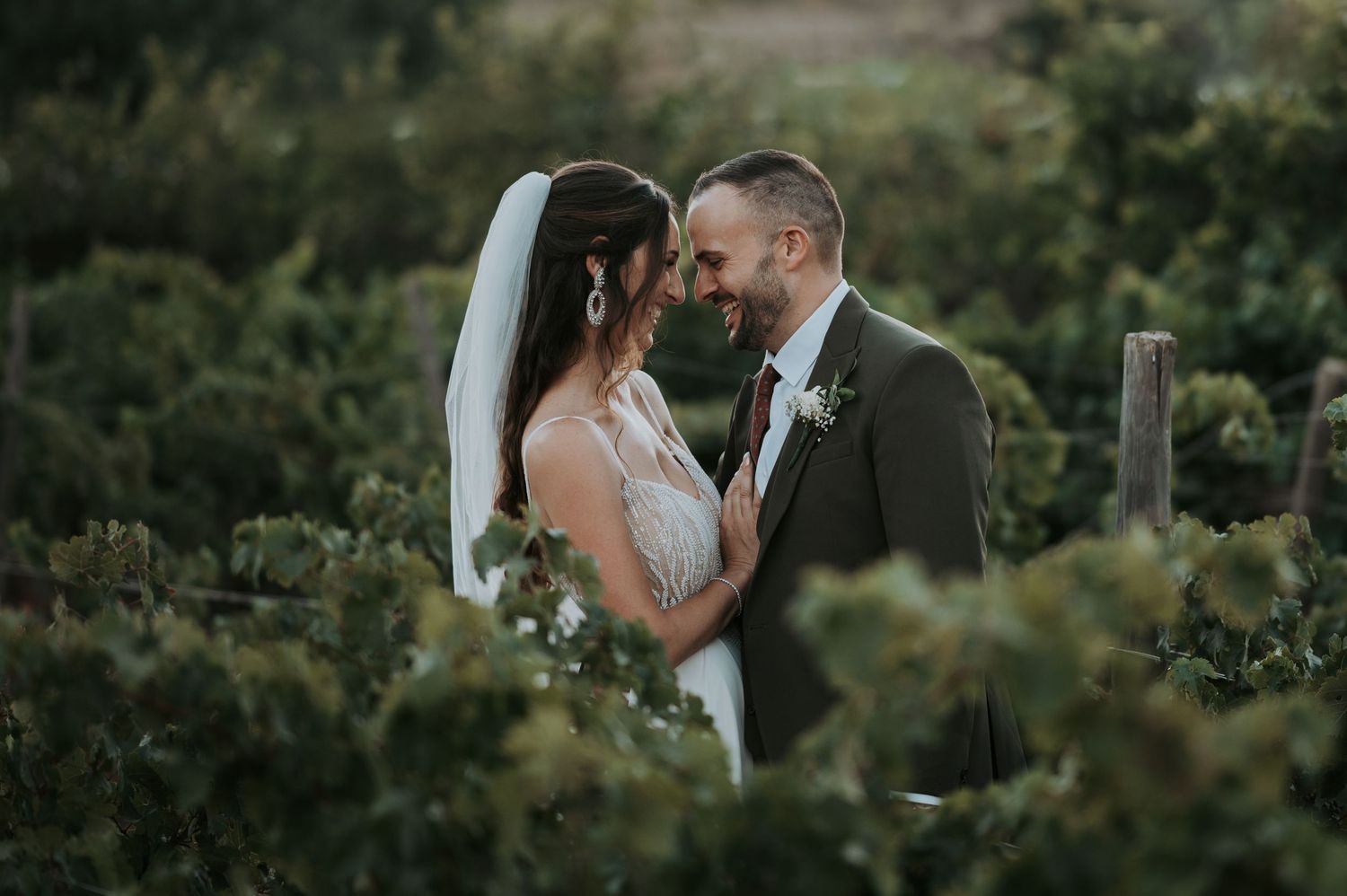
Posed photography means providing direction — guiding subjects into specific positions, arrangements, or interactions to create a particular image. The word "posed" carries a slightly negative connotation in modern wedding photography, which is unfair, because done well, posed photography doesn't look posed at all. It looks natural but considered — intentional without feeling stiff. Family formal portraits are the most obvious example of where posed photography is not just acceptable but necessary. Getting three generations of a family arranged, everyone visible, everyone looking reasonably relaxed, in a relatively short window of time requires clear, confident direction. There's no candid version of a family group portrait that works — someone has to take charge and organise the frame, and doing that efficiently and warmly is a genuine skill. Couple portraits sit somewhere in between. The best couple portraits from a wedding day tend to involve gentle direction — a suggestion to walk, to look at each other rather than the camera, to say something, to move — that creates natural interaction and genuine connection without ever feeling like a photoshoot. The direction is a prompt, not a script. It creates the conditions for a real moment rather than simulating one.
Why the Combination Matters
The best wedding photographers combine both approaches seamlessly, shifting between them instinctively depending on what the moment requires. Documentary storytelling for the ceremony and reception, where intervention would break the spell. Gentle, relaxed direction for couple portraits, where a little guidance creates significantly better results than leaving two people to stand awkwardly in front of a beautiful view. Confident, efficient direction for family formals, where clarity and warmth in equal measure keeps things moving without anyone feeling herded. What I'd caution against — and what's worth asking about specifically when you're meeting potential photographers for your Malta wedding — is working with someone who does exclusively one or the other. A purely candid photographer, however talented, will occasionally miss the moments that require presence and direction. Family groups won't come together. Couple portraits will lack intention. Key formal moments may be captured from the wrong angle or at the wrong time because no one was coordinating the frame. The gallery will be full of beautiful, genuine moments — and noticeably missing others. A purely posed photographer creates a different problem: a gallery that feels complete but somehow lifeless. Every image is technically correct. Everyone is in the right place, looking the right direction, with acceptable expressions. But the warmth is missing. The spontaneity is missing. The sense that these are real people on one of the most emotional days of their lives — that's missing too. Technically accomplished photography that doesn't move you is ultimately a disappointment.
What to Look For
When you're reviewing a photographer's portfolio ahead of your wedding in Malta, look for evidence of both. Are there genuine candid moments — images where people are clearly unaware, clearly in the middle of something real? And are there portraits and formal images that look considered and well-composed without feeling rigid or stiff? Look at the family group photographs in particular. Do the people in them look comfortable or corralled? And look at the couple portraits — do they look like two people who like each other, or two people doing their best in front of a camera? The right photographer reads the room, switches between approaches without making it obvious, and always — always — prioritises the authentic moment above the technically perfect one.
That balance is what produces a wedding gallery you'll still love in twenty years.