Why Choosing the Right Wedding Photographer Matters More Than You Think
Your wedding day passes in a blur. The flowers wilt, the cake gets eaten, the dress goes into a box — but your photographs last forever. For couples getting married in Malta, choosing the right wedding photographer is one of the most important decisions you'll make, yet it's often treated as an afterthought. A great photographer doesn't just take pretty pictures. They read the room, anticipate moments before they happen, and make you feel so comfortable that you forget the camera is even there. Technical skill is the baseline — what truly matters is their ability to connect with you and tell your unique story. Before booking anyone, look at full wedding galleries, not just highlight reels. Anyone can produce ten stunning images. What you want to see is consistency across an entire day, in different lighting and different moments. You'll spend more time with your photographer on your wedding day than almost anyone else. Chemistry matters. Book someone you genuinely enjoy being around. And when it comes to budget — invest wisely. When everything else from your wedding day is gone, the photographs remain. Choose someone whose work moves you. Your future self will thank you.
Popular Wedding Venues in Malta Right Now and Why They Photograph Beautifully
Malta is spoiled for choice when it comes to wedding venues. Here are some of my favourites through the lens.
Villa Arrigo — Golden stone architecture, manicured gardens and soft afternoon light make this one of Malta's most photogenic estates.
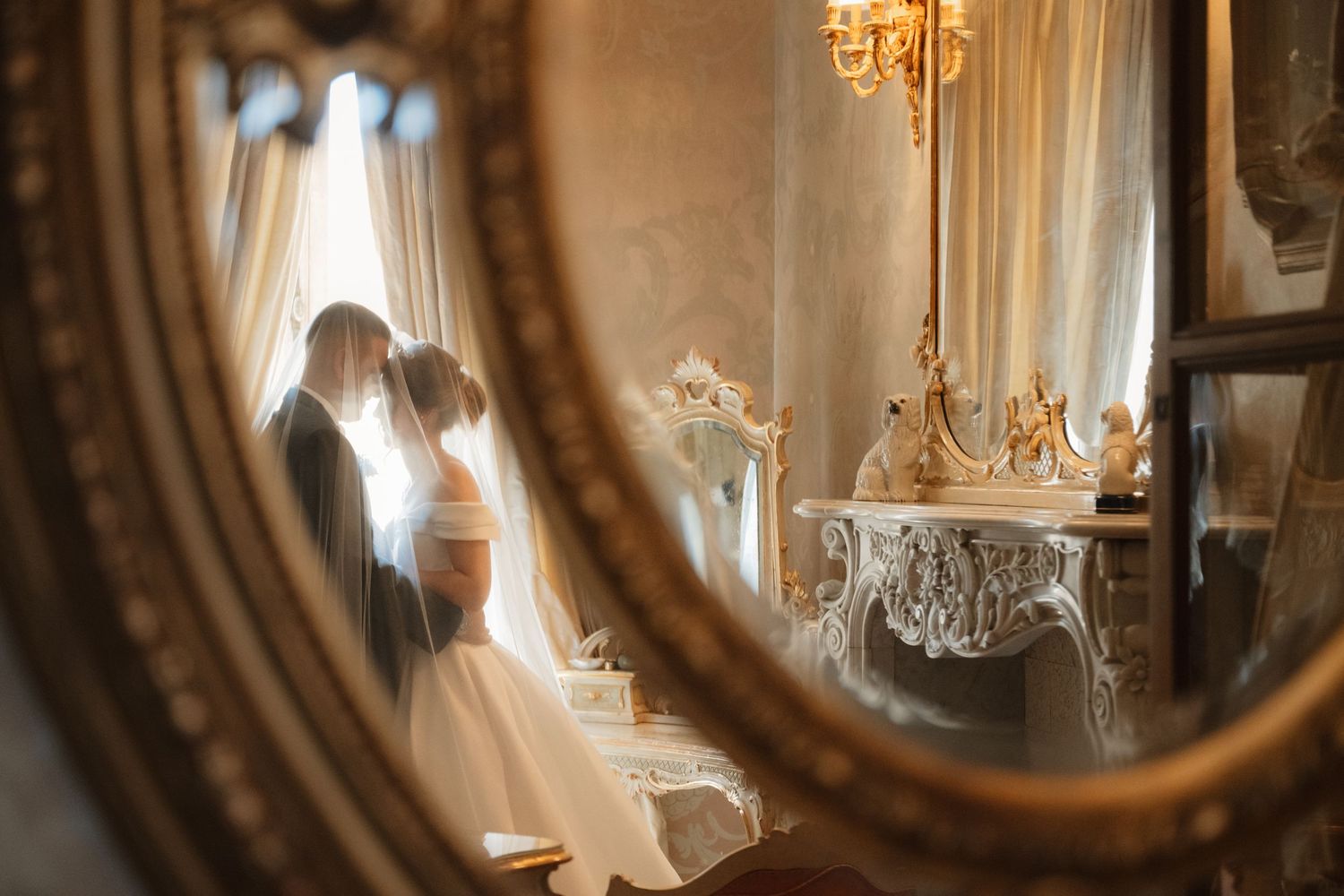
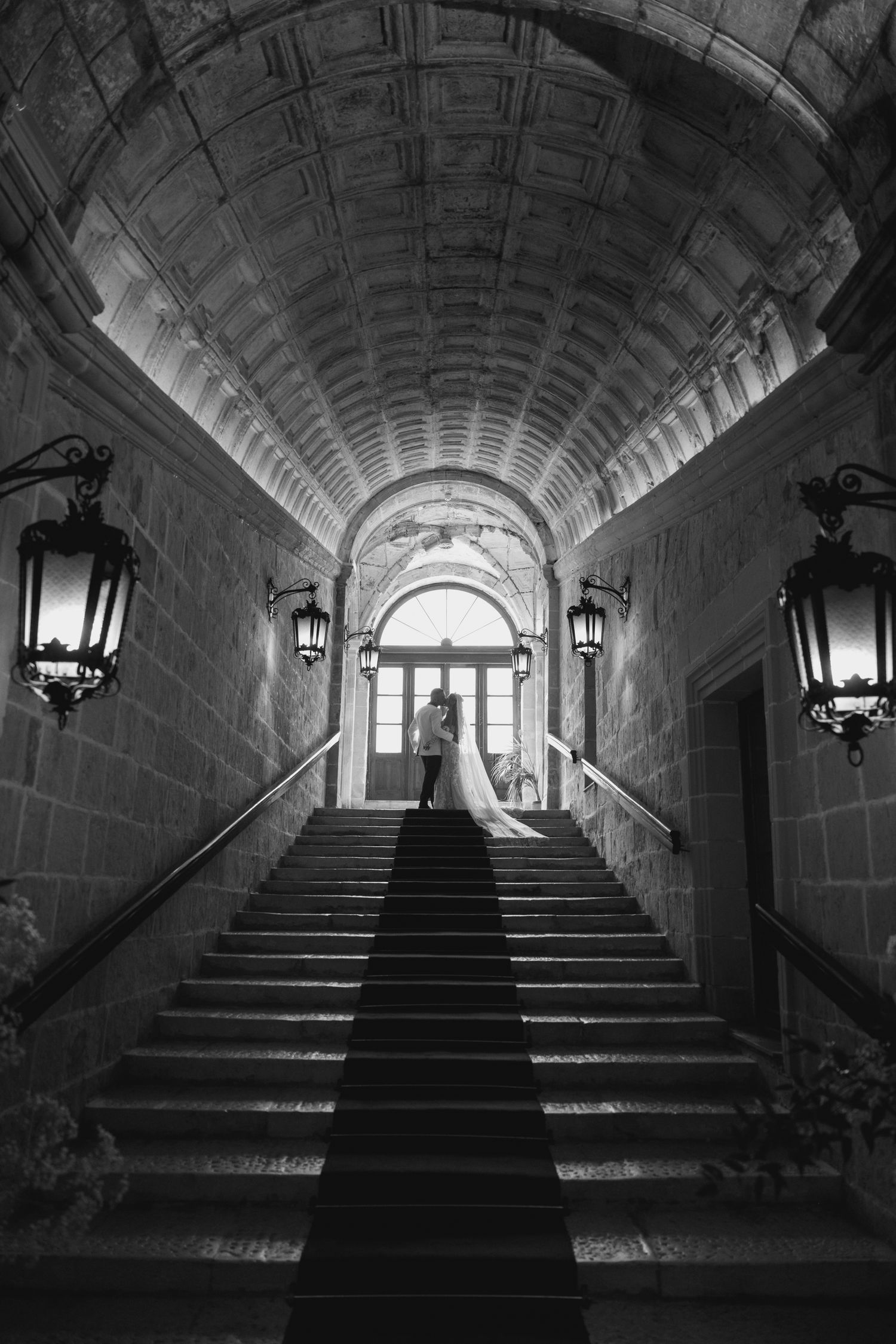
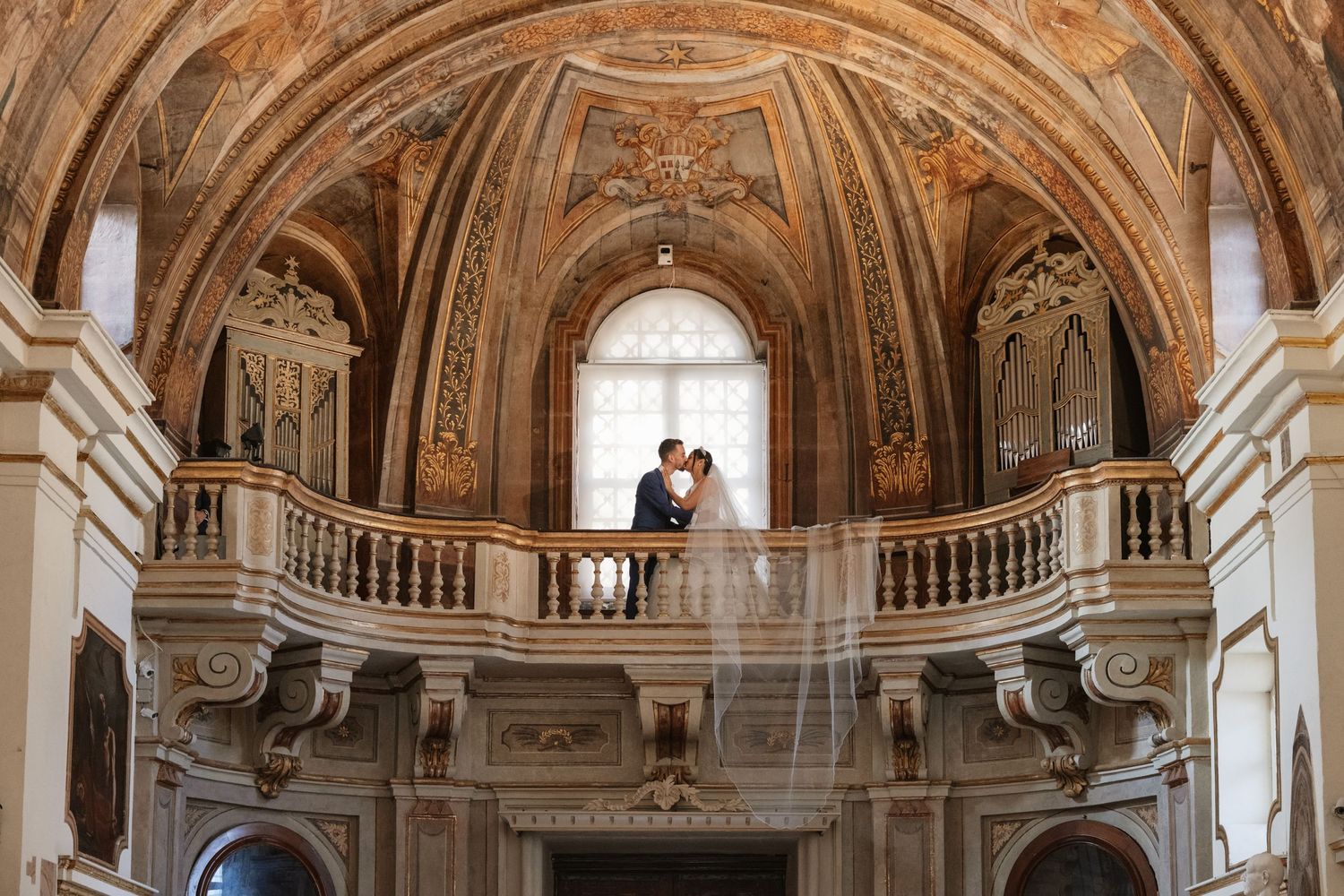
Palazzo Parisio — Baroque grandeur at its finest. The ornate interiors and formal gardens make every frame feel like a painting.
Villa Bologna — A hidden gem. Intimate countryside feel with dappled light through ancient trees and warm Maltese stone throughout the day.
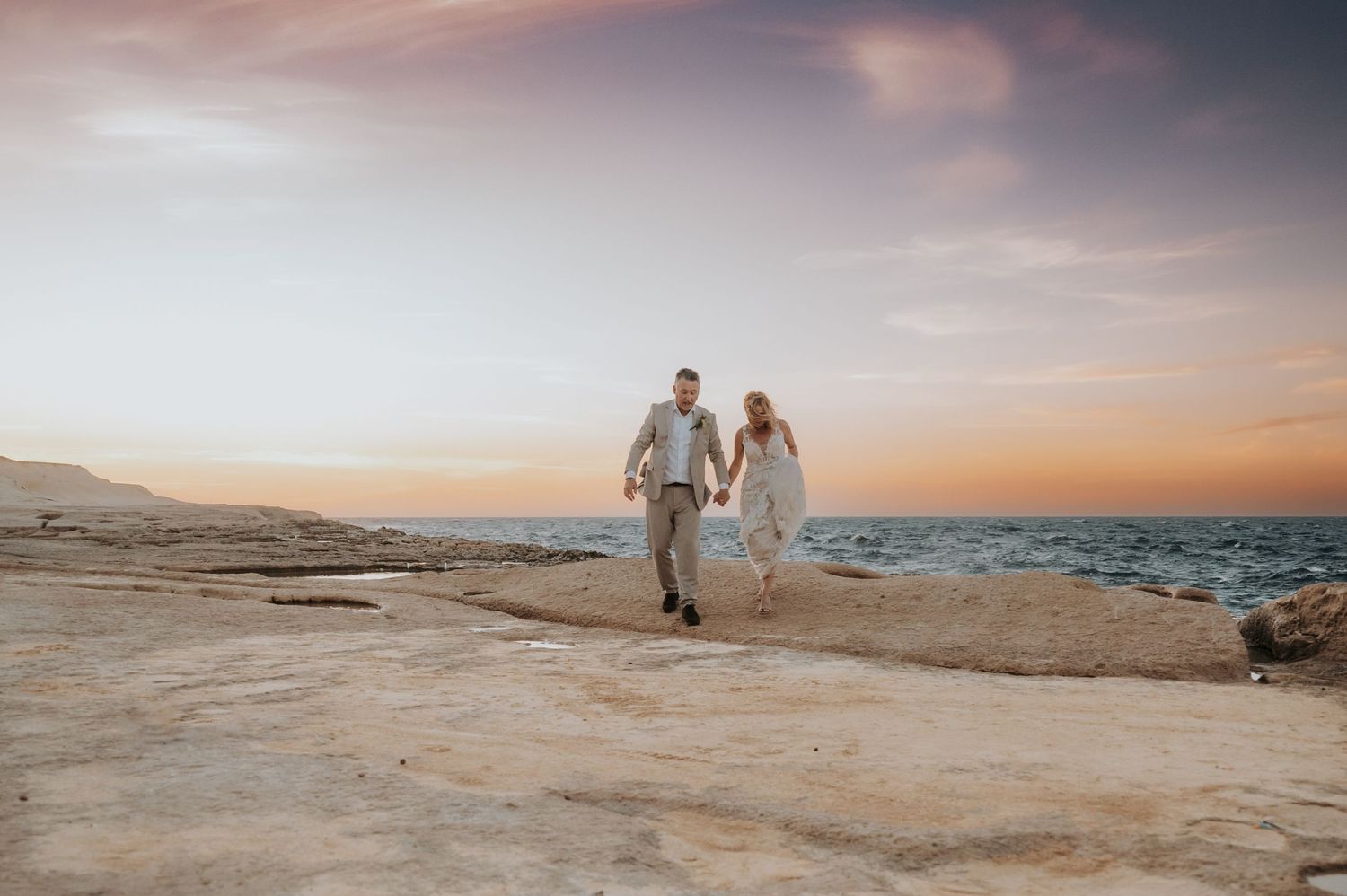
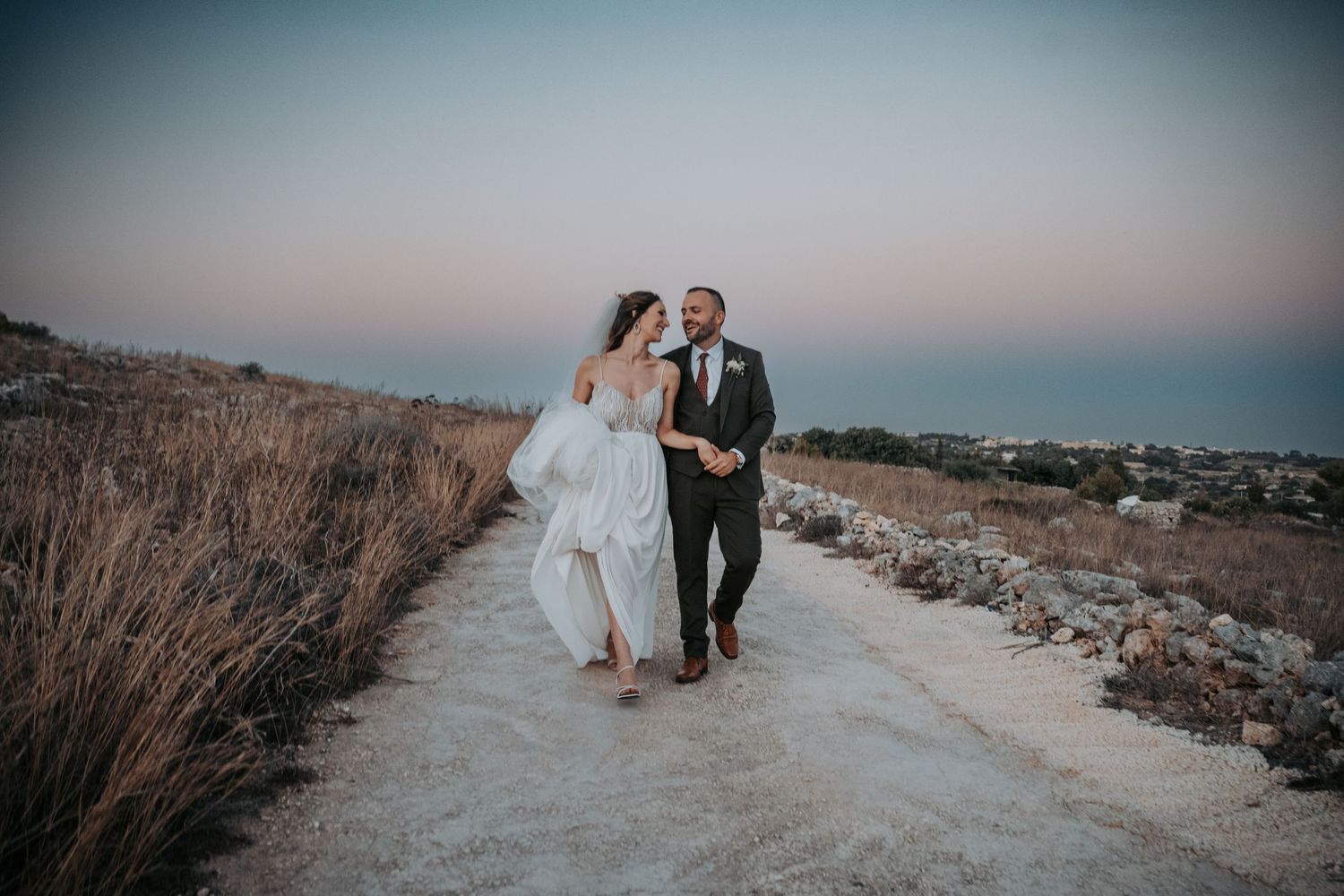
Limestone Heritage — Bold and unexpected. The dramatic quarry landscape creates extraordinary, truly unique wedding photographs.
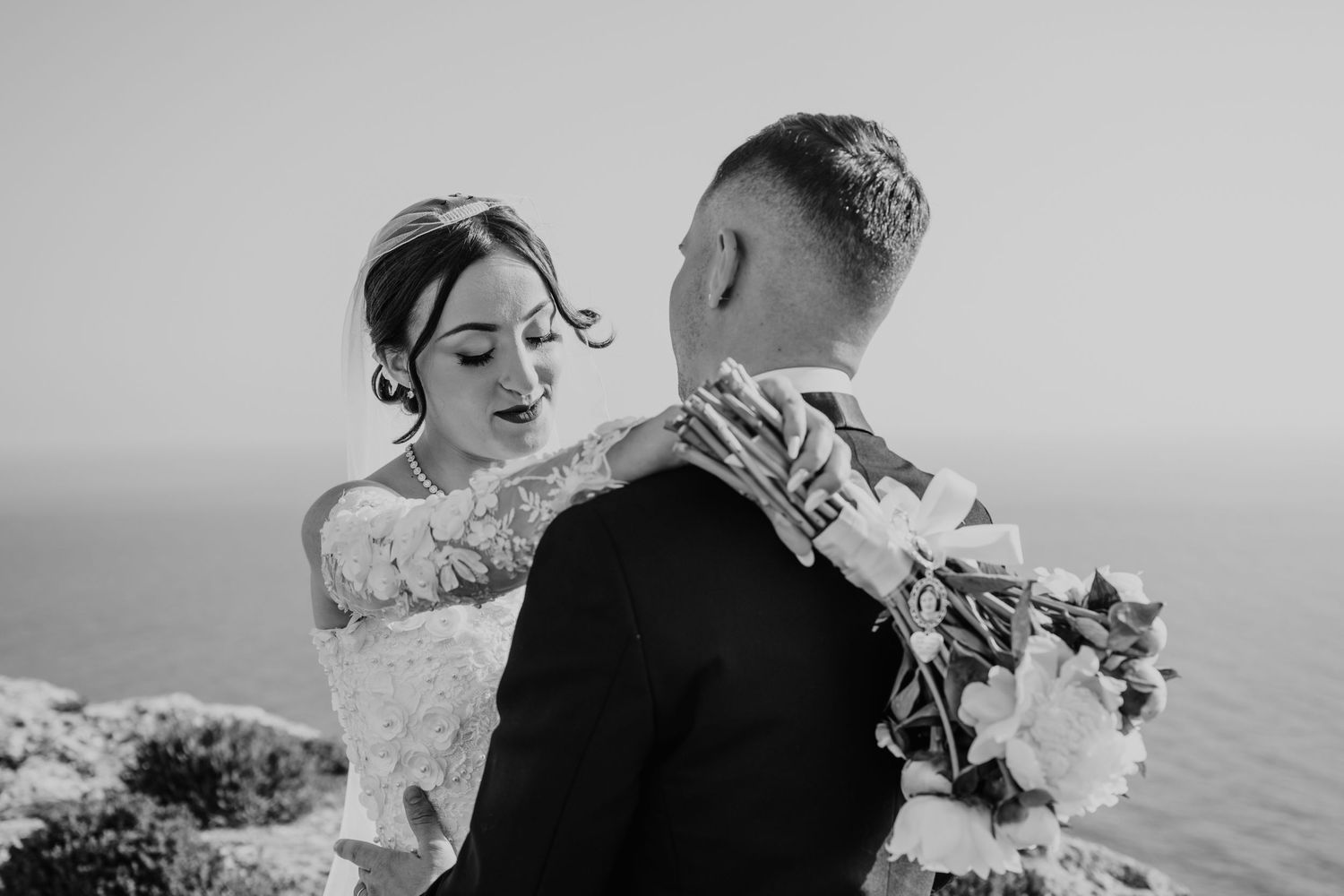
Saluting Battery, Valletta — Perched above the Grand Harbour with one of the Mediterranean's most iconic views. Sunset photographs here are simply breathtaking.
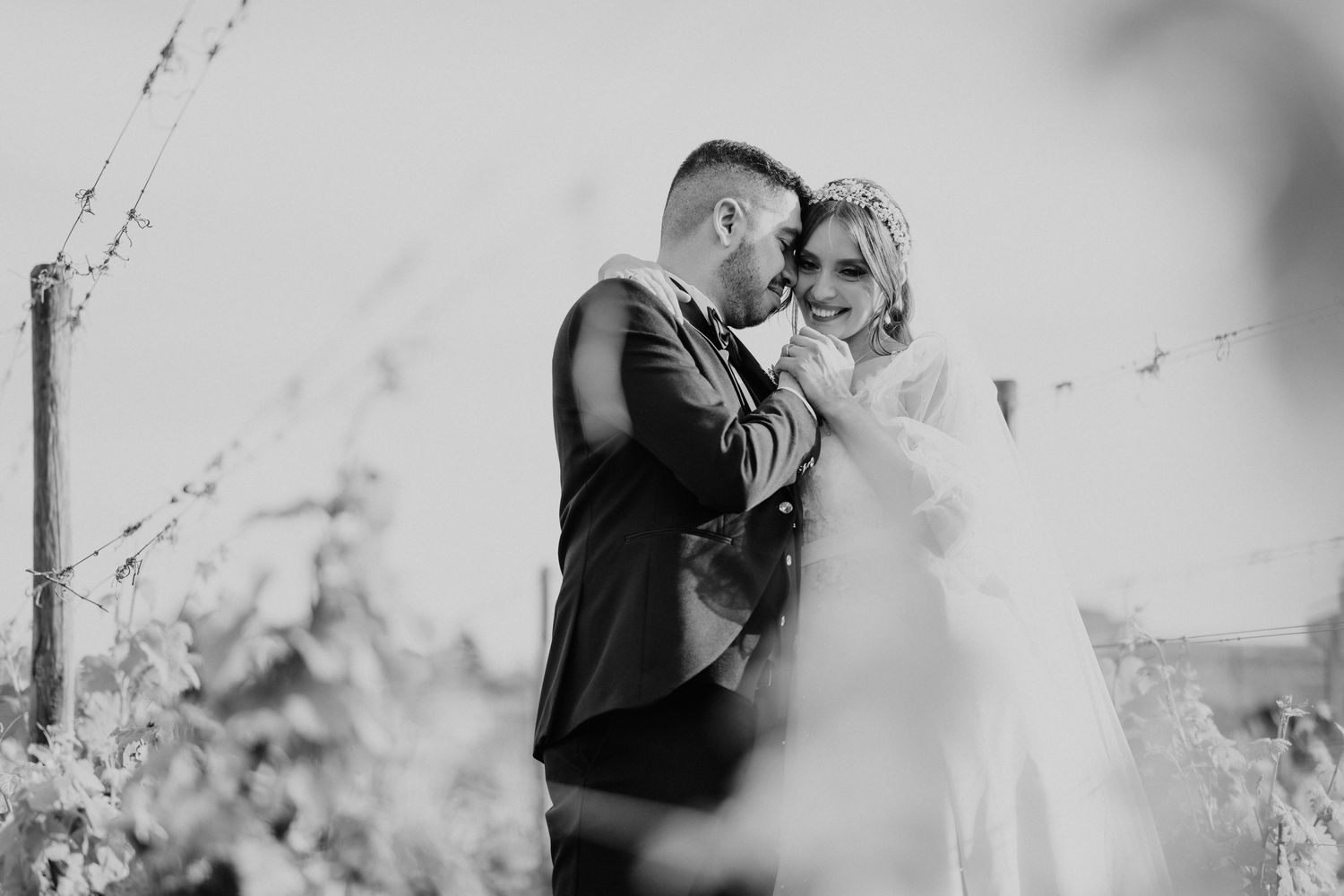
Ta' Betta Winery — Rustic, warm and genuinely Maltese. Vineyard rows and natural stone walls create wonderfully intimate images.
Villa Bighi — Majestic harbour views and elegant restored gardens. Evening light here is extraordinary.
Malta's wedding venues are among the most diverse and photogenic in the Mediterranean.
Valletta Weddings: The Most Photogenic Spots
The Grand Harbour is the island’s most iconic backdrop, whether captured from Upper Barrakka Gardens, the Saluting Battery, or aboard a traditional Maltese dgħajsa. Inside St. John’s Co-Cathedral, dramatic lighting and intricate baroque detail create a setting that feels both grand and intimate. Republic Street and the surrounding side streets are full of character, with warm limestone walls, narrow lanes, and colourful balconies that lend themselves perfectly to natural, timeless portraits. Fort St. Elmo offers something more dramatic, with its historic fortifications and open sea views adding a bold, cinematic edge. The Upper and Lower Barrakka Gardens, along with Hastings Gardens, provide elevated perspectives and quieter spaces—ideal for relaxed, romantic moments away from the crowds. Meanwhile, the Bridge Bar area brings a completely different atmosphere, with its candlelit steps and laid-back charm, perfect for something more intimate and editorial. A Valletta wedding offers a backdrop unlike anywhere else—and with the right light, it’s always worth the walk.
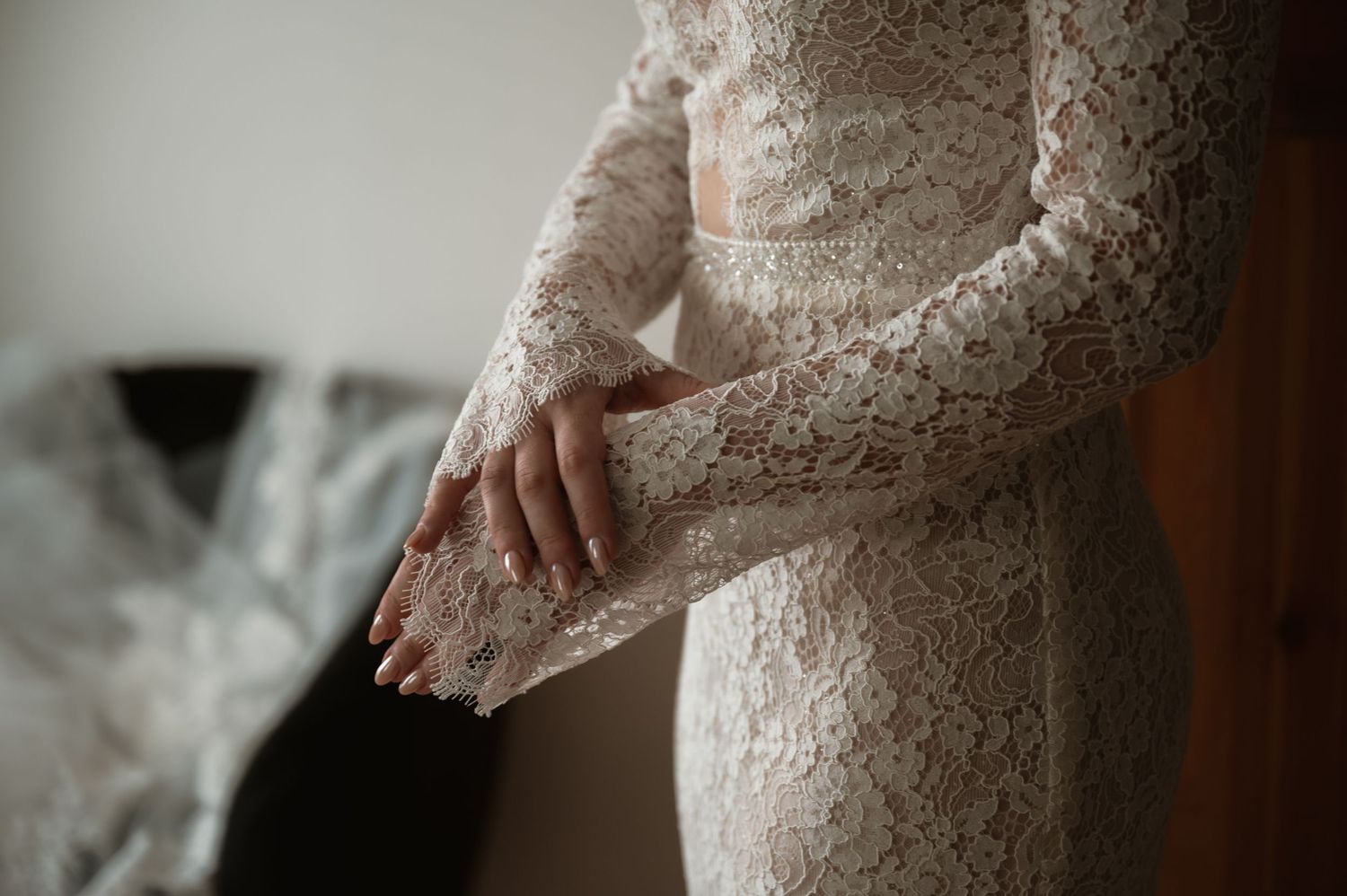
Outdoor vs Indoor Weddings in Malta — What Works Best?
Malta's climate makes it one of the best countries in Europe for outdoor weddings. But "best" doesn't always mean straightforward. Here's an honest look at both options.
Outdoor weddings offer natural light, open space, and Malta's stunning landscapes as your backdrop. Golden hour portraits in a vineyard or garden are hard to replicate indoors. The trade-off is unpredictability; wind, heat in summer, and the occasional shower.
Indoor weddings offer control. Beautiful historic interiors like Palazzo Parisio or Casino Maltese in Valletta provide a consistently stunning backdrop regardless of weather. The challenge is lighting — dark interiors require an experienced photographer who knows how to work in difficult conditions.
My honest recommendation? The best of both worlds. Choose a venue with both outdoor and indoor spaces so you have flexibility. Plan for outdoor portraits during golden hour and keep the ceremony and reception indoors. You get the natural light magic without the weather risk. Whatever you choose, the most important thing is that the setting feels like you. A beautiful photograph isn't about the location — it's about the light, the emotion, and the moment. Those can be found anywhere.
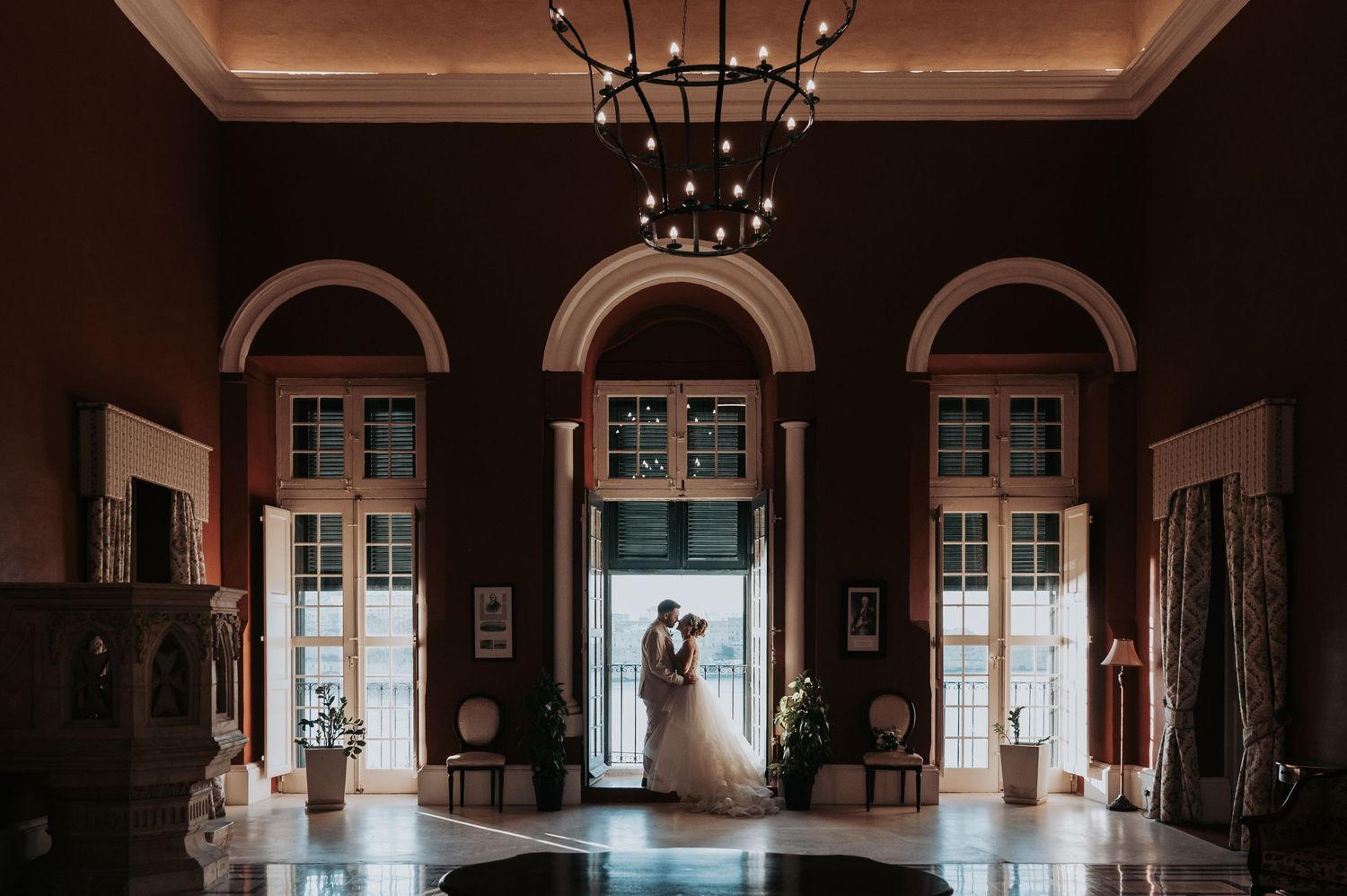
Best Time of Year to Get Married in Malta. A Weather and Light Guide
Malta is a year-round wedding destination, but each season offers something different for couples and their photographers.
Spring (March–May) — My personal favourite. Temperatures are warm but comfortable, the countryside is green and lush, and the light is soft and beautiful. April and May are ideal for outdoor ceremonies.
Summer (June–August) — Peak season for a reason. Long days and guaranteed sunshine. The trade-off is heat. Midday temperatures can reach 35°C, making evening weddings the smarter choice.
Autumn (September–November) — Malta's best kept secret. September and October still feel like summer but with softer light and fewer crowds. The golden tones of the landscape are stunning for photography. Slightly more risk of showers.
Winter (December–February) — Quieter and more intimate. Winter light in Malta is soft, dramatic and honestly beautiful. Venues are more available and the atmosphere more personal. Obviously this comes with a higher risk of bad weather than the other seasons.
For photography specifically, spring and autumn deliver the most consistently beautiful natural light. But with the right photographer, any season in Malta produces extraordinary results. The island's light is special whatever the time of year.
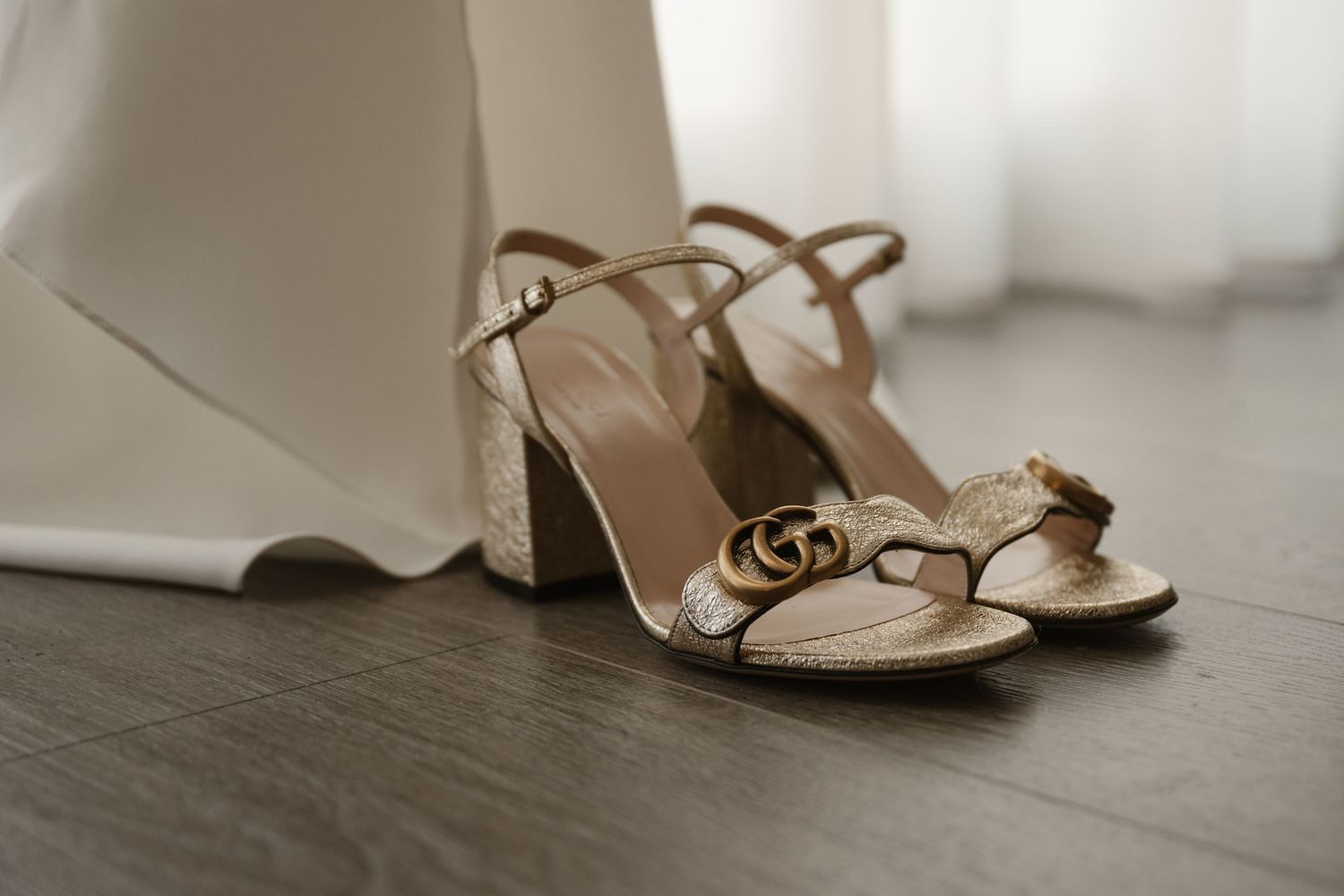
What Makes a Wedding Photo Timeless vs Trendy
Scroll through wedding photography from ten years ago and some of it looks dated immediately — heavy filters, over-processed colours, stiff compositions. Trends come and go. Timeless photographs don't. So what's the difference?
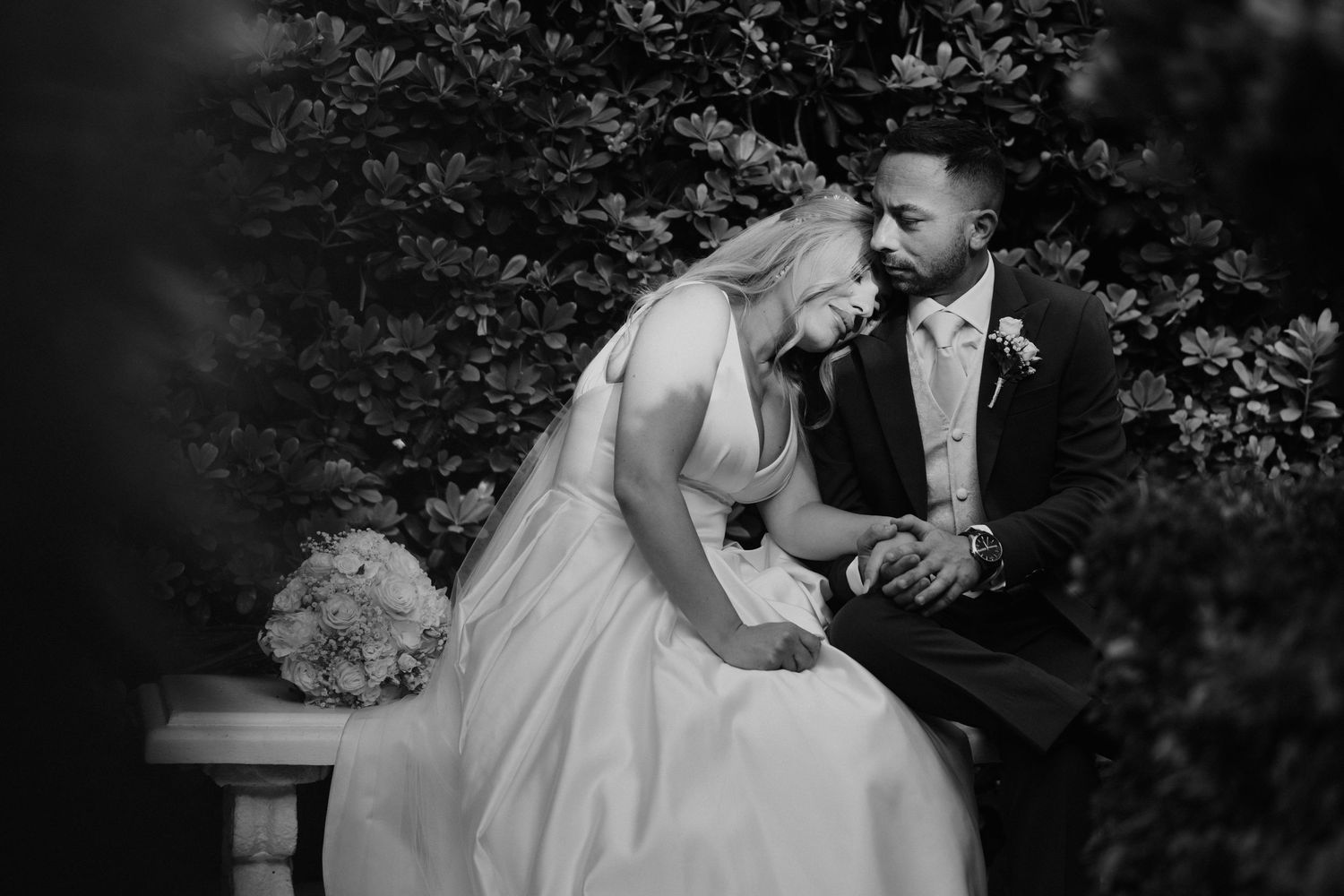
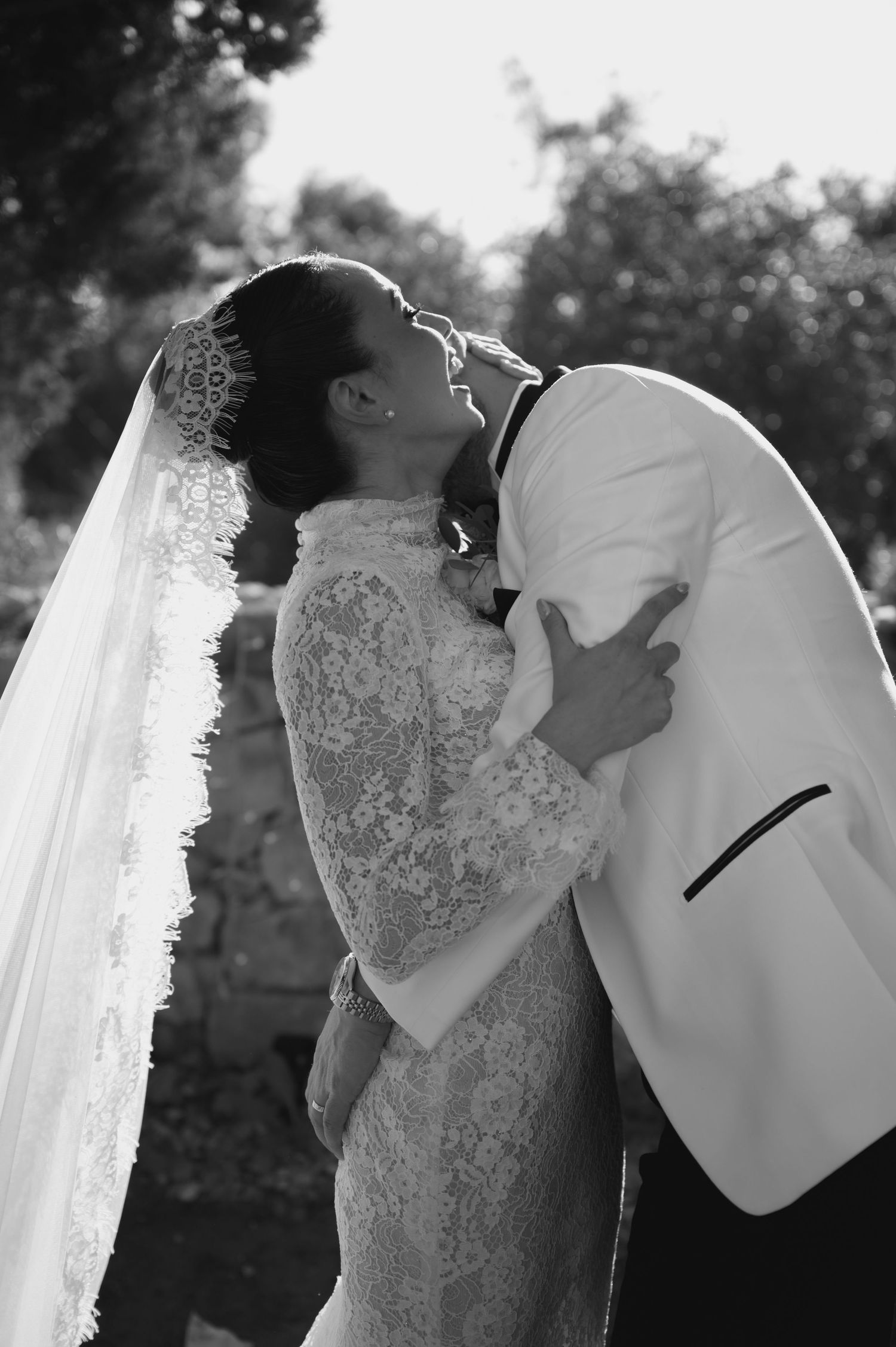
Timeless photographs prioritise genuine emotion over perfect composition. The laugh that couldn't be held back, the tear during the vows, the private glance between two people who can't quite believe they're here. These moments don't age because they're real.
Trendy photographs prioritise aesthetics over authenticity. Visually striking, but if it doesn't feel like you, it won't move you in twenty years the way a genuine moment will.
My approach prioritises the timeless. Natural light wherever possible, clean editing true to colour, and a relentless focus on real moments rather than manufactured ones. The couples I photograph most often tell me their favourite images aren't the grand formal portraits — they're the quiet in-between moments. The hand squeeze before the aisle. The private smile during the first dance. The grandmother wiping her eyes in the third row. Those moments are timeless. And they're what I'm always looking for.
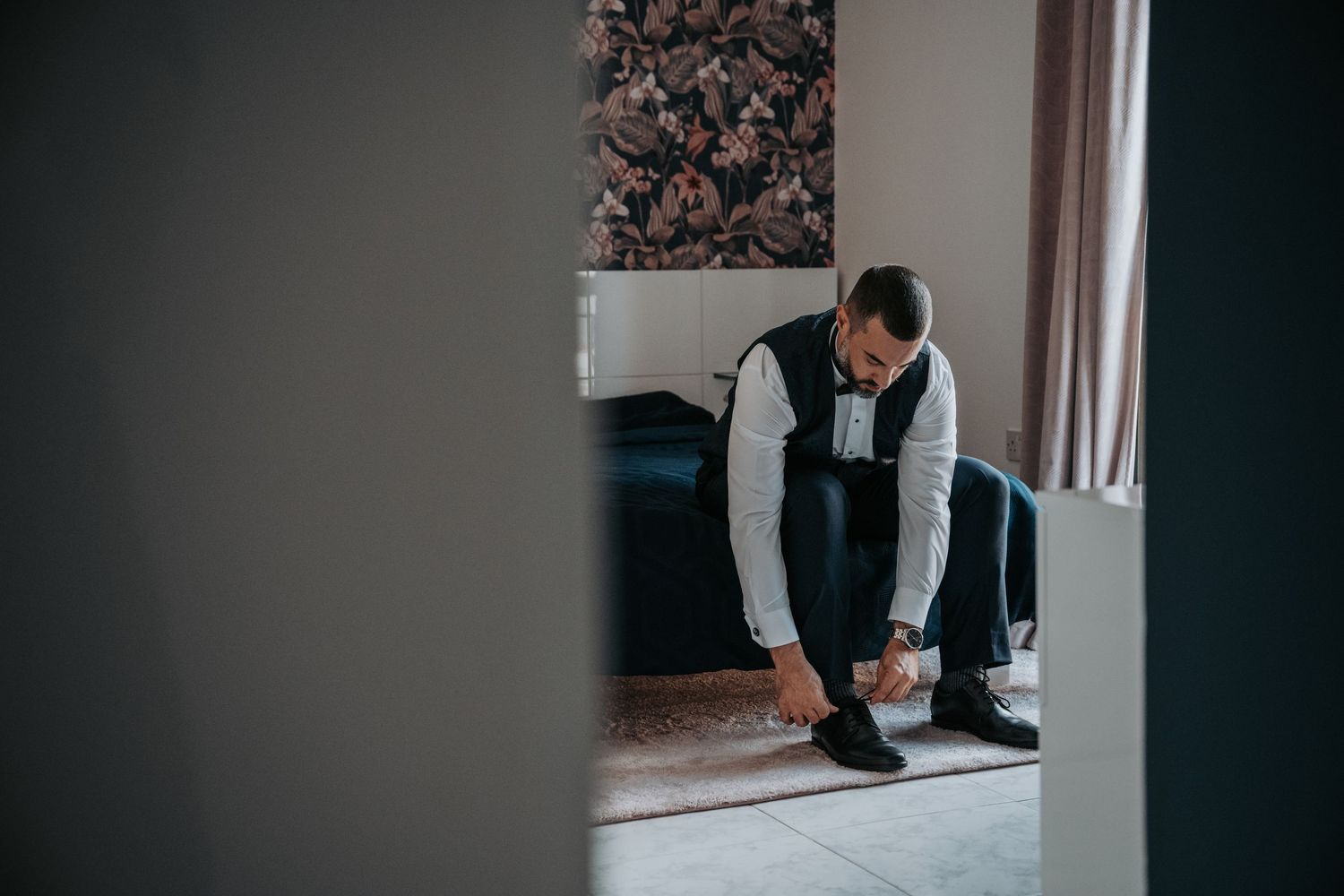
My Approach to Capturing Natural Wedding Moments
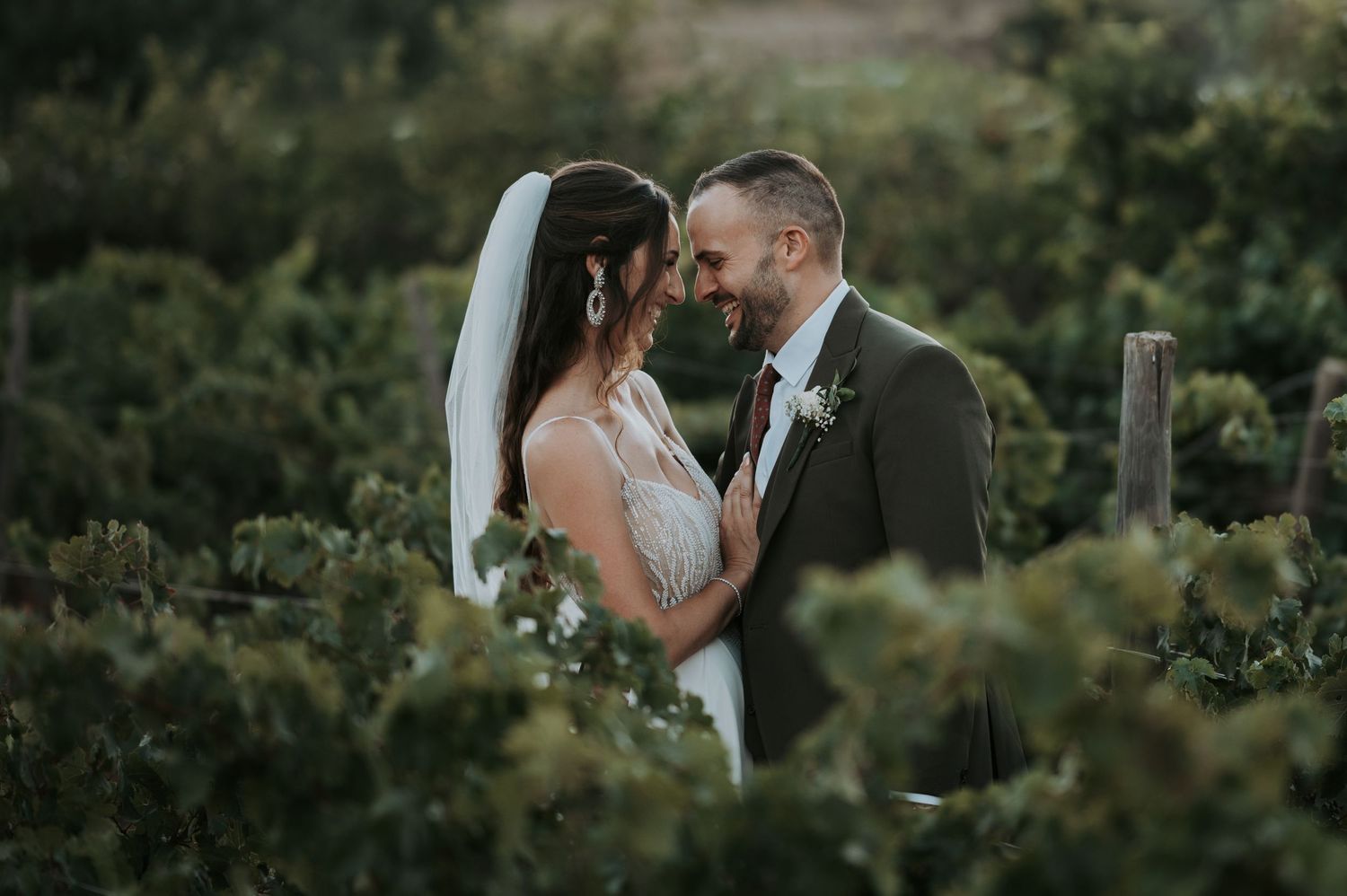
I'm often asked how I get such natural-looking photographs. The honest answer is that I work hard to make myself invisible. On a wedding day I arrive early, move quietly, and spend time getting to know everyone before shooting in earnest. The more comfortable people feel around me, the more natural they behave — and the better the photographs become. I shoot predominantly in a documentary style — observing and capturing rather than directing and staging. I'm watching the edges of the room while everyone else watches the centre. I'm anticipating the moment a split second before it happens. That said, I'm not a ghost. During couple portraits I give gentle, relaxed direction not rigid posing, but suggestions that create movement and natural connection between you. The goal is always to capture how you actually are together. I also believe strongly in building a relationship with couples before the wedding day. Whether through a pre-wedding shoot or simply a conversation — the more comfortable you are with me beforehand, the more natural everything feels when it matters most. The best wedding photographs don't look like photographs. They look like memories.
The Difference Between Candid and Posed Wedding Photography
One of the most common questions I get is: do you do posed or candid photography? The honest answer is both — and understanding the difference helps you get the most from your wedding day.
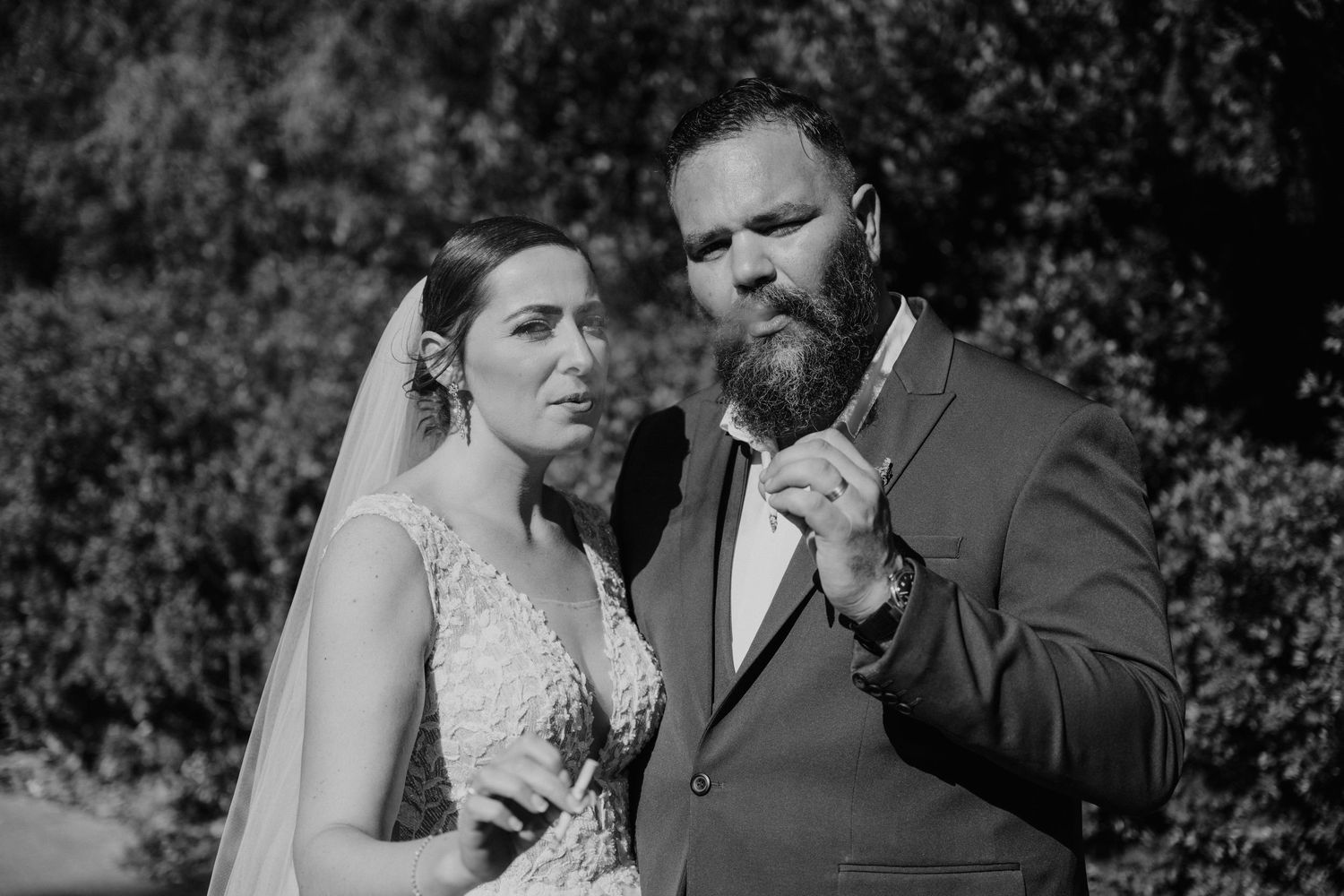
Candid photography captures moments as they naturally unfold; unscripted and often unexpected. The best candid images are taken when the subject has completely forgotten the camera exists. These are usually the photographs couples treasure most.
Posed photography means directing subjects into specific positions. Done well, it doesn't look posed at all; it looks natural but considered. Family formals and couple portraits require a degree of direction to work properly.
The best wedding photographers combine both approaches seamlessly. Documentary storytelling for the ceremony and reception, gentle direction for portraits, formal posing for family groups. What I'd caution against is photographers who do only one or the other. A purely candid photographer can miss important formal moments. A purely posed photographer produces a gallery that feels stiff and lifeless. What you want is someone who can read the room, switch between approaches instinctively, and always prioritise the authentic moment above everything else.
What to Do If It Rains on Your Wedding Day in Malta
First — take a breath. Rain on your wedding day is not a disaster. I promise. Malta's weather is generally kind to couples, but showers do happen, particularly between October and March. With the right preparation, a rainy day can produce some of the most dramatic and atmospheric wedding photographs I've ever shot. That said, preparation is everything.
Choose a venue with a solid indoor backup plan. This is non-negotiable. Before confirming any outdoor venue in Malta, ask specifically what happens if it rains. Is there a covered terrace? A beautiful indoor space for the full ceremony? A venue that can't answer this clearly is worth reconsidering.
Embrace it. An umbrella, a puddle reflection, dramatic storm light over the harbour . These make for extraordinary images. Some of my favourite wedding photographs have been taken in the rain.
Trust your photographer. An experienced photographer adapts, finds shelter, and uses the conditions creatively. A little rain has never ruined a great photograph.
Plan wisely, choose your venue carefully, and if the rain comes — let it. Sometimes the most memorable moments are the completely unplanned ones.
What to Wear for Your Pre-Wedding Session
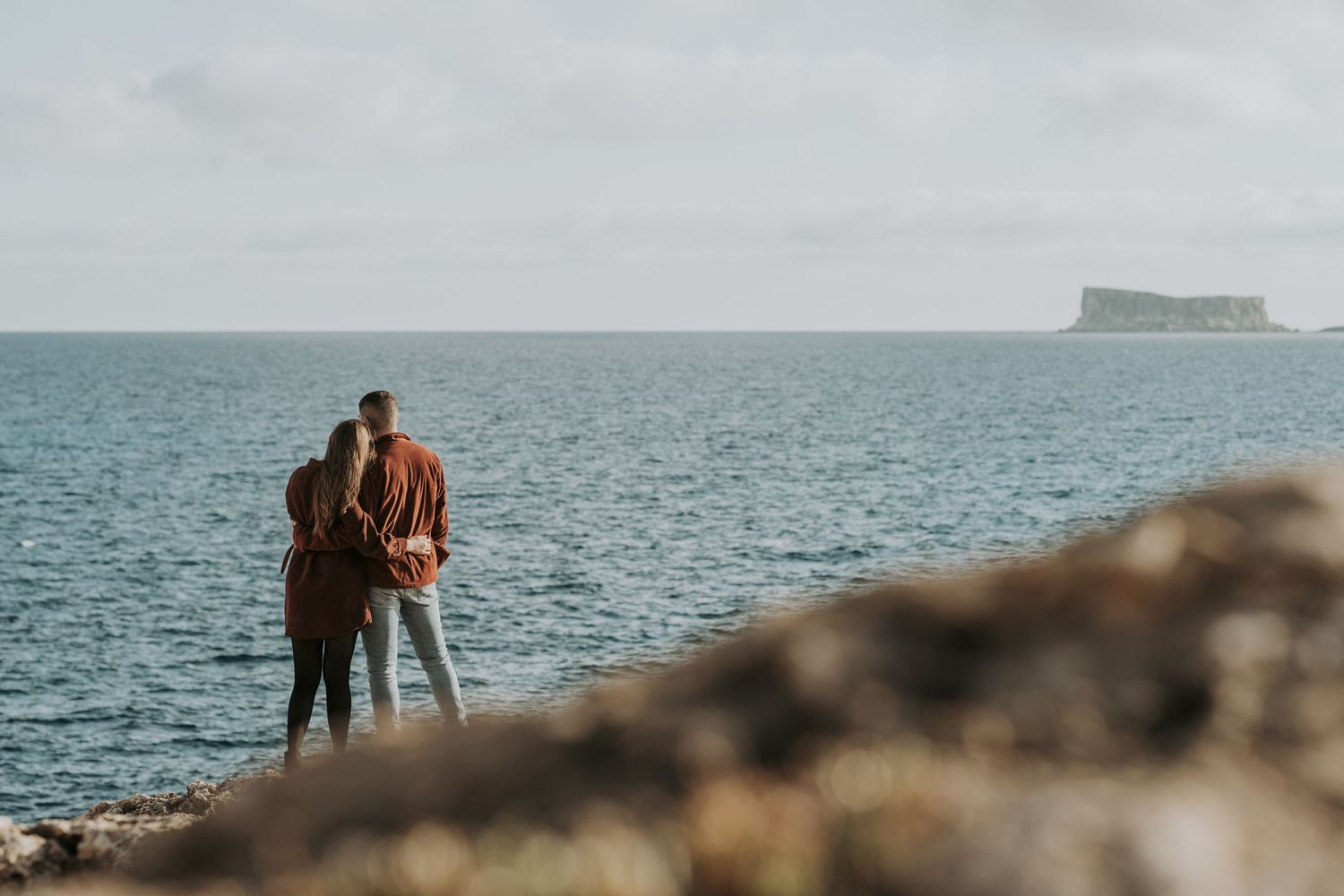
A pre-wedding shoot is one of the best investments you can make before your wedding day. It's a chance to get comfortable in front of the camera, get to know me and how I work, and come away with beautiful images — all before the pressure of the big day. What you wear matters, but not in the way you might think.
Less is more. Avoid busy patterns, loud logos, or anything that will date quickly. Clean, simple outfits in neutral or complementary tones almost always photograph beautifully.
Create a flow between you. You don't need to match, but there should be a harmony in your colour palette and style. A visual disconnect between outfits shows in photographs.
Wear something you feel good in. Confidence shows. If you're uncomfortable in what you're wearing, it will show in your body language.
Most importantly — relax and enjoy it. A pre-wedding shoot isn't a test. It's an opportunity to have fun together, explore a beautiful location, and use the time to get to know your photographer before the wedding day. The images will take care of themselves.
How to Feel Comfortable in Front of the Camera
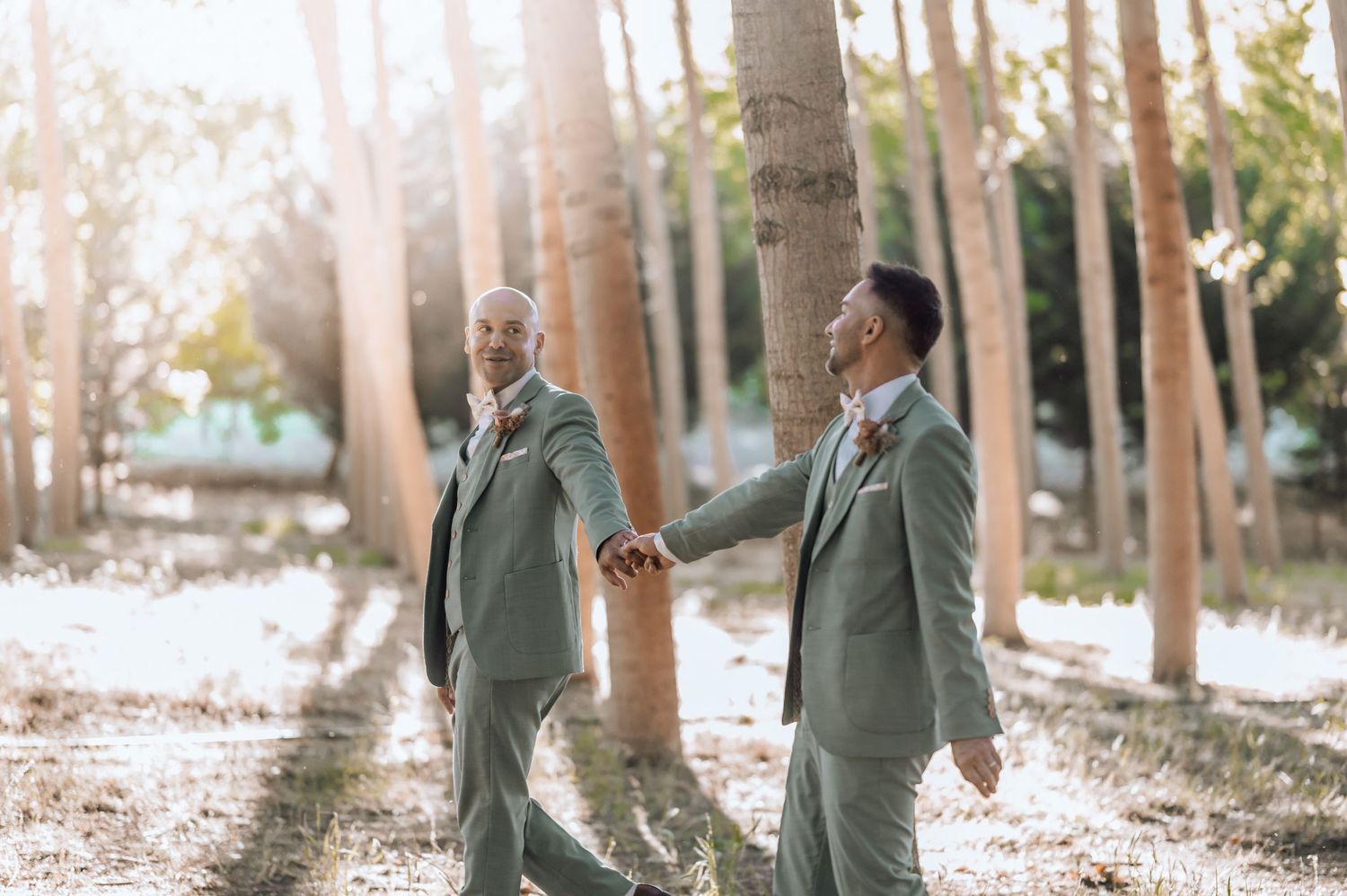
For most people, being photographed doesn't come naturally. The moment a camera appears, something shifts, posture stiffens, smiles become forced, and suddenly you have no idea what to do with your hands. You're not alone. This is completely normal. And it's exactly why I work the way I do. The most effective thing that helps people relax is movement. When you're standing still being stared at through a lens, self-consciousness takes over. When you're walking, laughing, or simply doing anything together, the camera becomes background noise. During sessions I give gentle prompts rather than rigid poses. Walk towards me. Tell each other something you're looking forward to. Hold hands and keep moving. These simple instructions create natural body language that produces far better photographs than any formal pose ever could. A pre-wedding shoot before your wedding day is genuinely invaluable for this reason. By the time your wedding arrives, you'll already know how I work and how to be yourselves around me. Trust the process. The couples who relax and stop trying to look perfect are always the ones whose photographs look the most beautiful.
How Much Does a Wedding Photographer Cost in Malta?
It's one of the first questions couples ask, and a completely fair one. So let's talk honestly. Wedding photography in Malta typically ranges from €1,000 to €4,000, depending on hours of coverage, the photographer's experience and reputation, the quality of their equipment, and what's included — prints, albums, pre-wedding shoots and so on. As with most things, you broadly get what you pay for. A significantly lower price often reflects less experience, entry-level equipment, or limited coverage hours. That doesn't mean expensive automatically means better but look carefully at exactly what you're getting for your money. Here's something I say to every couple sincerely: I know it sounds like a cliché, but your wedding photographs and video truly are the only memories you'll have once the day is over. The food will be forgotten. The flowers will fade. But thirty years from now, you'll still be looking at those photographs. Invest in someone whose work genuinely moves you. Someone you trust. Someone experienced enough to deliver no matter what the day brings. Your photographs are the one thing from your wedding day you'll have forever. Choose wisely.
Questions to Ask Your Wedding Photographer Before Booking
Booking a wedding photographer is a significant decision. Here are the questions worth asking — and what to listen for in the answers.
How many weddings have you photographed? Experience matters. Ask to see full galleries from recent weddings.
Will you be the photographer on the day? Confirm who will actually be there — some studios send assistants to weddings booked under the lead photographer's name.
Do you have backup equipment? Professional photographers always carry backup cameras and lenses. Equipment failure happens — a professional is always prepared.
How do you handle difficult lighting? Dark churches, harsh midday sun, indoor receptions — ask how they approach these challenges specifically.
What happens if you're ill on the day? A professional should have a clear plan and trusted colleagues who can step in.
How long until we receive our images? Typical turnaround is four to twelve weeks. Agree on this upfront.
Is there a contract? Always insist on a written contract. It protects both of you.
And finally — do you actually like them? Trust your instincts. The right photographer will make you feel at ease from the very first conversation. If they don't, keep looking.
How Far in Advance Should You Book Your Wedding Photographer in Malta?
The short answer — as soon as you find someone you love, book them immediately. Good wedding photographers in Malta book up quickly, particularly for peak season dates between April and June. It's not uncommon for photographers to be fully booked twelve to eighteen months ahead. If you've found someone whose work genuinely resonates with you, don't wait. Here's a general guide for booking your key suppliers:
Venue — Book first. Everything else follows from your date and location. Popular Malta venues can be booked two or more years ahead.
Church or civil ceremony — Book early, particularly for specific churches with limited availability.
Photographer and videographer — Book immediately after your venue. These are the suppliers most likely to already be taken on your preferred date.
Band or DJ — Good bands fill up fast. Don't leave this until last.
Everything else — Florists, caterers, hair and makeup can typically be arranged closer to the date.
My honest advice to any newly engaged couple: enjoy your engagement, then within the first few weeks lock in your venue, church, photographer, videographer and band. Get those five confirmed and the rest of your planning will feel far more relaxed.